
Proper porta potty placement on a construction site is not just a convenience issue — it is an OSHA compliance requirement. Poor placement leads to wasted worker time, service access problems, and potential fines. At Primeway Porta Potty Rental Phoenix, we have placed units on hundreds of Phoenix-area job sites and learned exactly what works. Here is our complete guide.
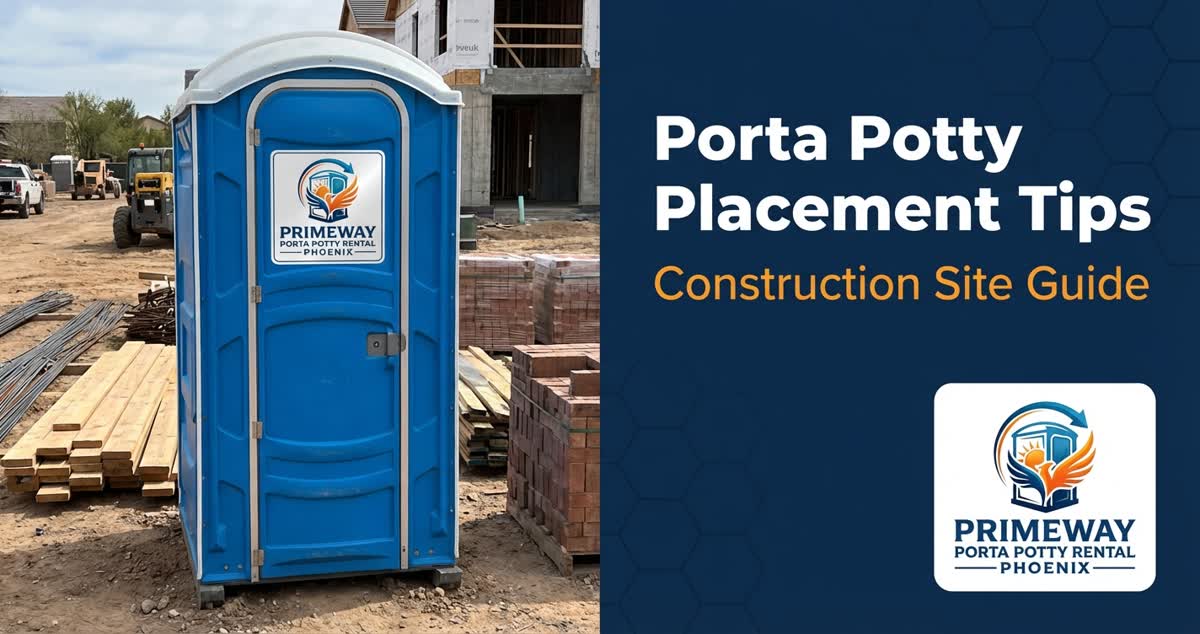
OSHA Requirements You Need to Know
OSHA standard 29 CFR 1926.51(c) is clear: employers must provide toilet facilities for all workers on a construction site. Here are the key requirements:
- 1 unit per 20 workers — this is the minimum ratio
- Reasonable walking distance — generally within a 10-minute walk (200–500 feet from the primary work zone)
- Sanitary condition — units must be maintained clean with regular servicing
- Accessible — workers must not be restricted from using facilities when needed
Failing to meet these standards can result in OSHA citations ranging from $1,000 to over $15,000 per violation. It is far cheaper to rent the right number of units and place them properly.

Optimal Placement Strategy
The best placement balances worker accessibility with practical logistics. Here is the framework we recommend for every construction site:
1. Centralize for Equal Access
Place units at a central location where workers from all areas of the site can reach them within a short walk. On multi-story projects, consider units on upper floors for crews working above ground level.
2. Keep Units on Level, Stable Ground
Porta potties must sit on flat, compacted ground. Uneven terrain causes tipping risks and makes doors difficult to open. If the site is graded or muddy, lay down plywood sheets or gravel pads before placement.
3. Maintain Service Truck Access
This is the placement factor most site managers overlook. Our service trucks need a clear path to reach every unit for weekly pumping and cleaning. For road construction and highway projects, this becomes even more critical due to traffic control and limited access points. Requirements:
- Minimum 10-foot-wide access path for the truck
- No overhead obstructions below 14 feet (boom arm clearance)
- Within 100 feet of truck parking — our pump hoses reach up to 100 feet, but shorter is better

4. Distance from Food and Break Areas
Place units at least 50 feet from where workers eat or take breaks. Close enough for convenience, far enough to keep the break area pleasant. This is especially important during Phoenix summers when heat amplifies odors.
5. Orient Doors Away from Wind
Position unit doors facing away from prevailing winds. In Phoenix, prevailing winds come from the west and southwest. This reduces odor drift toward work areas and prevents doors from slamming open.
Phoenix Heat: Special Considerations
Construction in the Phoenix metro means dealing with temperatures that regularly exceed 110°F from June through September. Heat affects porta potty conditions more than any other factor. Here is how to manage it:
- Prioritize shade. Place units on the north or east side of structures where they get afternoon shade. Under covered parking structures or next to tall walls works well.
- Light-colored units. Our standard porta potty rental fleet uses light-colored exteriors that reflect more solar radiation than dark units.
- Increase service frequency. During peak summer, we recommend upgrading from weekly to twice-weekly servicing. Heat accelerates decomposition and odor.
- Extra deodorizer. We automatically increase chemical treatment levels in summer service visits at no extra charge.

When to Add Holding Tanks
For large crews (40+ workers) or sites where space limits the number of units you can place, holding tanks provide additional waste capacity. A single 275-gallon IBC tote connects to existing units via gravity feed and effectively doubles the time between service visits.
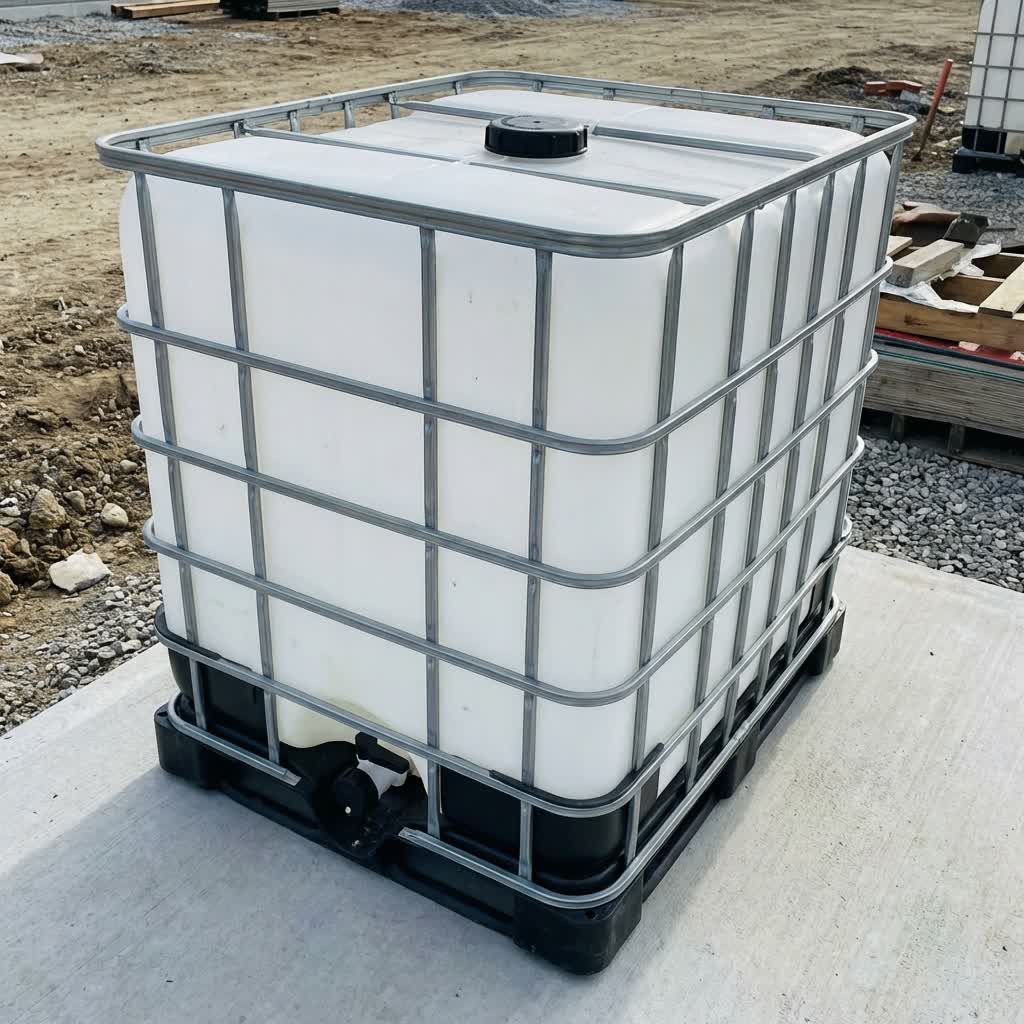
Holding tanks are also ideal for multi-story buildings where plumbing is not yet connected. Place them at ground level and run a connection to the unit above.
ADA Units on Construction Sites
If you are planning an event rather than a construction project, check our guide on how many ADA portable restrooms your event needs to make sure you meet accessibility requirements.
If your site is accessible to the public — or if any worker has a disability — you must provide ADA-compliant porta potties. Even on private sites, adding one ADA unit per 10 standard units is best practice. ADA units require a larger footprint (approximately 5×5 feet) and need level ground with an accessible approach path.
Placement Checklist
- Calculate units needed: 1 per 20 workers minimum
- Identify central, level ground with shade
- Verify service truck access (10-foot path, 14-foot overhead clearance)
- Position at least 50 feet from break areas
- Orient doors away from prevailing wind
- Add holding tanks for crews over 40
- Include at least 1 ADA unit for public-facing sites
- Schedule increased service frequency for summer months
Need help planning placement for your specific site? Call us and we will do a walkthrough or review your site plan to recommend the best configuration.